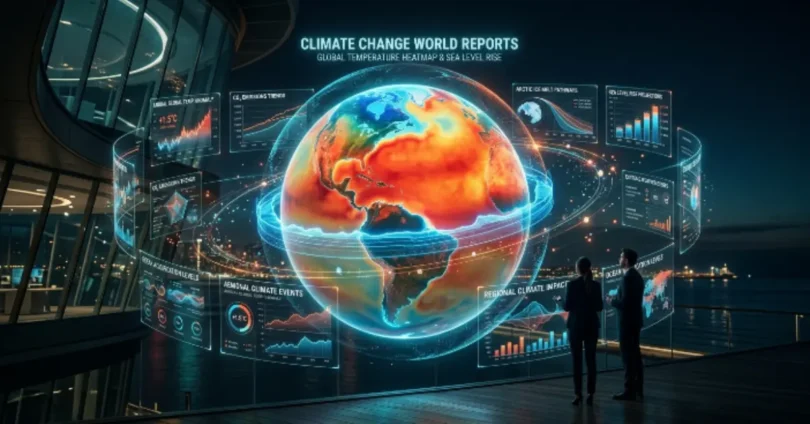
Climate Change World Reports Provide important information about changes happening in the Earth’s climate. These reports collect data from scientists, weather agencies, and environmental organizations around the world. They help people understand rising temperatures, changing weather patterns, sea level increases, and other environmental challenges.
Governments, businesses, and communities use these reports to make better decisions and prepare for future climate risks. As climate change continues to affect different regions, Climate Change World Reports play a key role in sharing reliable facts and highlighting actions that can help protect the planet for future generations.
Purpose of Climate Change World Reports
The main purpose of Climate Change World Reports is to provide clear and accurate information about changes in the Earth’s climate. These reports help scientists, governments, businesses, and communities understand how climate change is affecting different parts of the world. They collect data on temperature changes, weather events, sea level rise, and environmental conditions to show current trends and future risks.
Climate reports also support decision-making by helping leaders create policies and plans that reduce environmental damage. In addition, they increase public awareness and encourage people to take actions that support a healthier and more sustainable future.
Key Findings From Recent Climate Change Reports
Recent climate change reports highlight several important environmental trends that are affecting countries around the world.
- Global average temperatures continue to rise each year.
- Heatwaves are becoming more frequent and lasting longer.
- Sea levels are increasing due to melting glaciers and ice sheets.
- Heavy rainfall and flooding events are occurring more often in many regions.
- Drought conditions are affecting water supplies and agriculture.
- Ocean temperatures are rising and impacting marine life.
- Wildfires are becoming more common in some parts of the world.
- Many animal and plant species are facing habitat loss.
- Climate-related disasters are creating economic challenges for communities.
- Renewable energy adoption is growing as countries work to reduce emissions.
These findings show that climate change is creating wide-ranging environmental and social impacts, making continued monitoring and action increasingly important.
Major Sources of Climate Change Data
Climate change data comes from many reliable sources that help scientists monitor environmental conditions and track long-term climate trends across the world.
- Weather Stations
- Satellites
- Ocean Monitoring Systems
- Climate Research Centers
- Ice Cores and Tree Rings
- Environmental Monitoring Networks
These major sources work together to provide accurate climate information, helping experts create reliable Climate Change World Reports and better understand global environmental changes.
How Climate Change Affects Agriculture
Climate change creates several challenges for farming and food production around the world.
- Crop Yields: Higher temperatures can reduce the growth of many crops.
- Water Supply: Droughts can limit the water available for farming.
- Soil Quality: Extreme weather can damage soil and reduce fertility.
- Pest Problems: Warmer conditions can increase the spread of crop pests.
- Flood Damage: Heavy rainfall can destroy fields and crops.
- Growing Seasons: Climate changes can affect planting and harvesting times.
- Livestock Health: Heat stress can reduce animal productivity and health.
- Food Security: Lower agricultural production can affect food availability.
Climate change continues to impact agriculture, making adaptation and sustainable farming practices increasingly important.
Climate Change Solutions Reported Worldwide
Countries, organizations, and communities are taking different steps to reduce the effects of climate change and build a more sustainable future.
- Renewable Energy: Many countries are increasing the use of solar, wind, and hydro energy.
- Clean Transportation: Electric vehicles and public transport systems help lower emissions.
- Energy Efficiency: Homes and businesses are using energy-saving technologies.
- Forest Protection: Tree planting and forest conservation help absorb carbon dioxide.
- Sustainable Farming: Farmers are adopting practices that protect soil and reduce emissions.
- Waste Reduction: Recycling and waste management programs help decrease pollution.
- Green Building Projects: Eco-friendly buildings use fewer resources and consume less energy.
- Climate Policies: Governments are creating laws and plans to support environmental goals.
- Public Awareness: Educational campaigns encourage people to make environmentally friendly choices.
- Technology Innovation: New technologies help monitor climate changes and reduce environmental impacts.
These solutions show that collective efforts from governments, businesses, and individuals can help address climate change and support a healthier planet.
Role of Technology in Climate Monitoring
Technology plays an important role in tracking climate changes and providing accurate environmental data from around the world.
- Satellites: Satellites monitor temperatures, clouds, forests, and sea ice from space.
- Weather Sensors: Advanced sensors collect real-time weather and climate information.
- Artificial Intelligence: AI helps analyze large climate datasets and identify trends.
- Climate Models: Computer models predict future climate conditions and risks.
- Ocean Monitoring Tools: Buoys and underwater devices track ocean temperatures and sea levels.
- Remote Sensing: Remote sensing technology observes environmental changes from a distance.
- Data Collection Systems: Digital systems store and process climate information efficiently.
- Early Warning Systems: Technology helps detect storms, floods, and other climate-related hazards.
- Mobile Applications: Climate apps provide weather updates and environmental information.
- Research Platforms: Online platforms allow scientists to share and study climate data globally.
Technology continues to improve climate monitoring by providing faster, more accurate, and reliable information for researchers and decision-makers.
Common FAQs About Climate Change World Reports
Here are some faqs of Climate Change World Reports!
Who publishes Climate Change World Reports?
Climate Change World Reports are published by scientific organizations, environmental agencies, research institutions, and international climate groups.
How often are climate change reports updated?
Many reports are released annually, while some updates are published monthly or after major climate studies.
Why do businesses use climate change reports?
Businesses use these reports to identify environmental risks and plan for future operational challenges.
Can climate reports help cities plan for the future?
Yes, city planners use climate information to improve infrastructure and prepare for environmental changes.
Are climate change reports used in schools and universities?
Yes, educational institutions use climate reports as learning resources for environmental studies.
How do climate reports support disaster preparedness?
They provide information that helps communities prepare for potential climate-related emergencies.
Do climate reports compare different countries?
Many reports include global comparisons to show how climate impacts vary across regions.
Can climate reports influence investment decisions?
Yes, investors may use climate information to evaluate environmental risks and opportunities.
What role do international organizations play in climate reporting?
They help coordinate research, collect global data, and share findings with countries worldwide.
Why is long-term climate reporting important?
Long-term reporting helps identify patterns and supports better planning for future environmental challenges.
Conclusion
Climate Change World Reports provide valuable information about the environmental changes affecting our planet. These reports help scientists, governments, businesses, and communities understand climate trends, identify risks, and develop effective solutions. By collecting data from reliable sources and sharing important findings, climate reports support informed decision-making and long-term planning.
As climate challenges continue to grow, ongoing monitoring, global cooperation, and sustainable actions remain essential for protecting the environment and creating a better future for coming generations.